
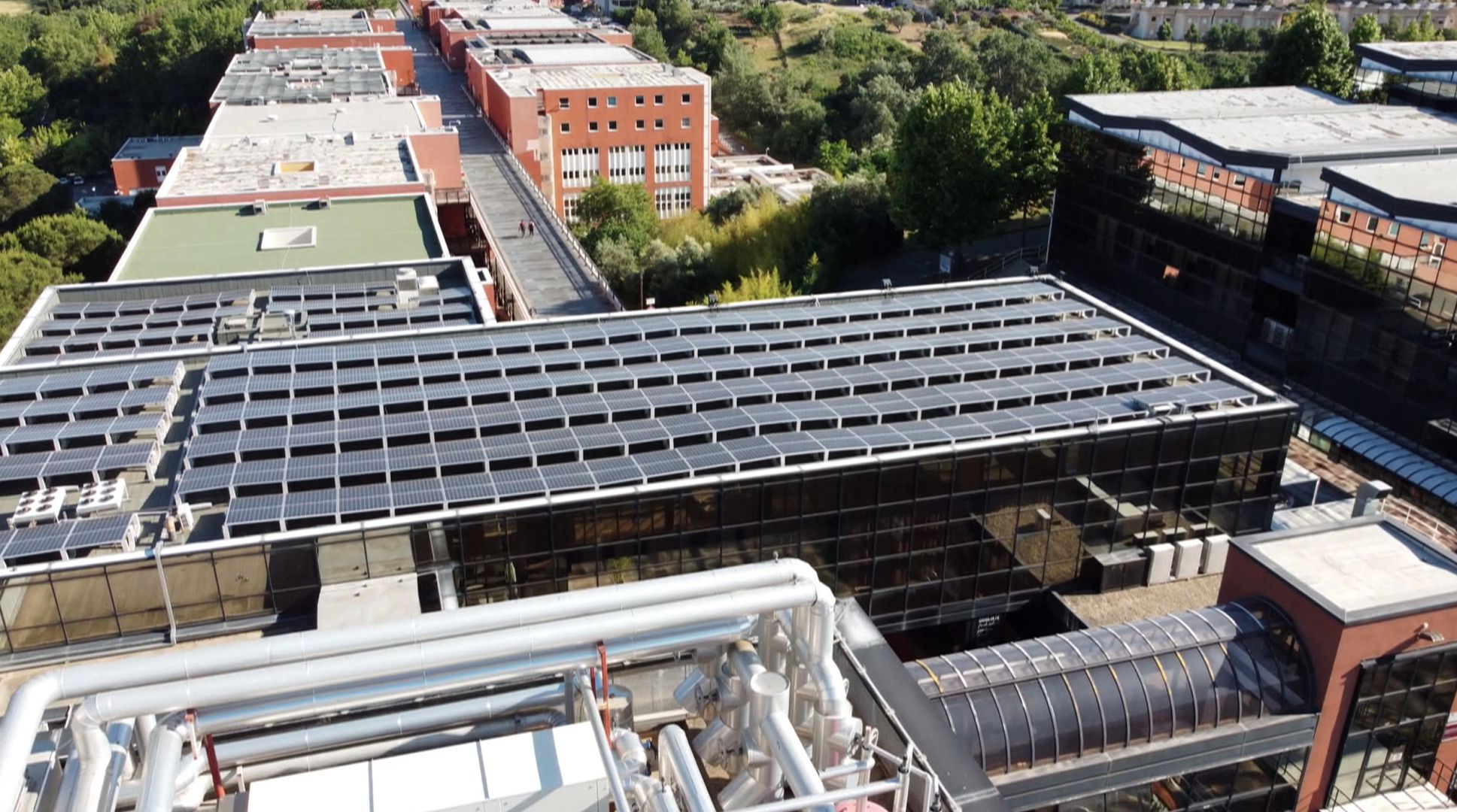
For students stepping into on-campus Italian language schools in Italy, education goes well beyond textbooks. Guided walks through Renaissance plazas, visits to local markets, and weekend trips to historical towns are woven into the curriculum. For example, students often explore nearby villages, sample regional cuisine, or participate in community festivals—deepening their language skills through lived experience.
The ambiance of the campus itself has become an integral part of learning. Schools housed in historical buildings—frequently centuries old—and bathed in natural light offer more than just classrooms. Study gardens, communal kitchens, and local cafés serve as hubs for spontaneous conversation in Italian among students, faculty, and locals alike. In Milan, for instance, students at schools like Linguadue relish their proximity to bustling districts lined with boutiques, street food, and canal walks, blending mainstream culture with language lessons both inside and outside the classroom ([ialc.org](https://www.ialc.org/news/linguadue-has-moved-to-a-new-site-10440/?utm_source=openai)).
The immersive environment accelerates confidence in speaking, listening, and understanding local customs. Daily interactions—ordering espresso, negotiating fares, asking for directions—serve as informal “lessons.” Schools often offer workshops in cooking, art, or music to deepen cultural literacy. Combined with classroom instruction, these experiences help students grasp idiomatic expressions, regional dialects, and the nuances of body language.
While online components supplement learning—through grammar drills, multimedia resources, or video discussions—many students and instructors agree that nothing replaces the instant feedback and energy of face-to-face interaction. In-person dynamic activities, shared meals, and knowing your classmates’ voices in the hallway all contribute to a richer educational tapestry.
Leave a Reply