
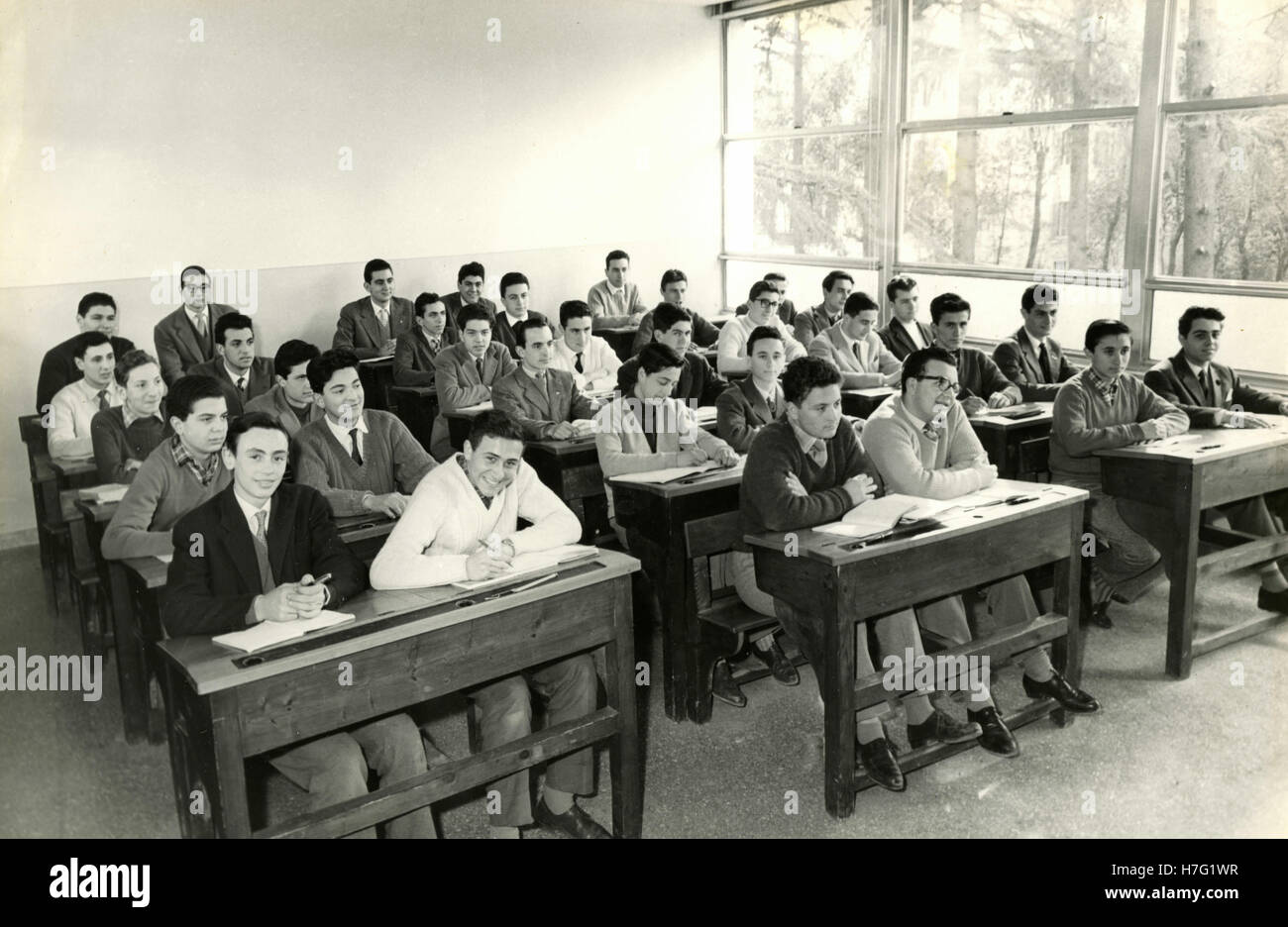
The rise of hybrid learning models at Italian language schools is transforming the traditional campus experience. Institutions like the Italian Language School of Rome have introduced platforms allowing students to attend lessons either in-person or online, syncing schedules across time zones for synchronous learning, while also providing rich asynchronous materials to complement live sessions. Such flexibility is especially appealing to international students juggling careers, travels, or remote circumstances. Students report maintaining strong connections with peers and instructors even when joining classes virtually—which helps combat isolation and promotes community.
On-campus classes remain a cornerstone of culture immersion. Outdoor lunchtime conversations, cooking nights, and evening conversations over espresso continue to enrich the learning process. The physical space—light-filled classrooms, historical courtyards, local cafés—adds dimension to learning that goes beyond grammar and vocabulary. Meanwhile, online components offer recorded lectures, discussion boards, and interactive exercises that let students revisit lessons and pace their learning.
However, challenges persist. Technical issues—unstable internet connections or time zone mismatches—can hinder live participation. Some students miss spontaneous social interactions that happen off-campus, like unplanned walks or museum visits. Teachers also adapt their methods, blending digital tools with in-class dynamics to preserve engagement across both modalities.
Overall, hybrid formats are seeing growing demand, as they combine the best of both worlds: cultural immersion and flexibility. Schools are investing in infrastructure—like improved AV equipment, virtual classrooms, and coordination tools—to support this shift. As global interest in Italian language and culture keeps rising, this blended model may well shape the future of campus life at these institutions.
Leave a Reply